


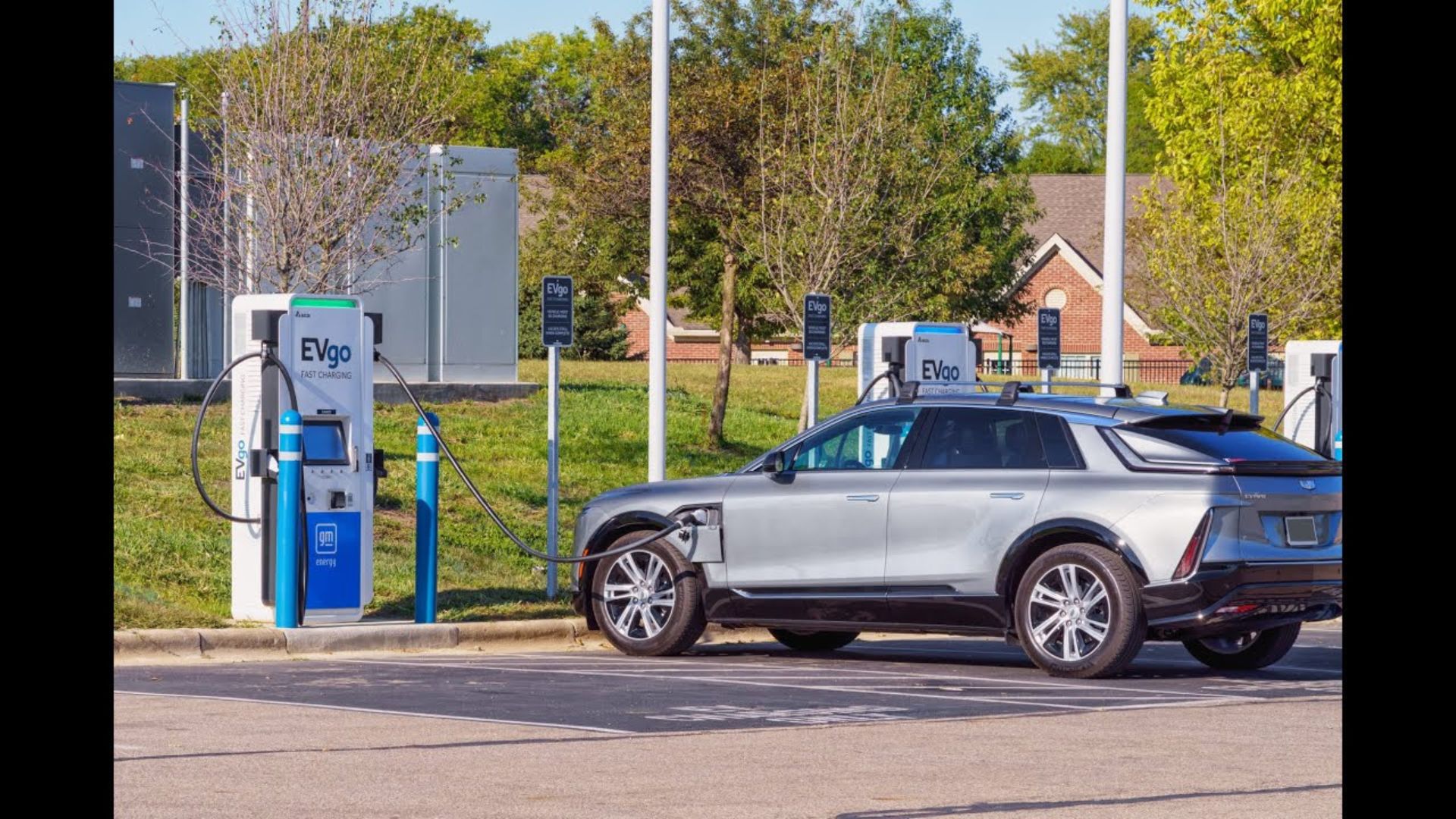
The global transportation system is undergoing a major transformation, and at the center of this change is the electric car. Unlike traditional vehicles that rely on fossil fuels, an electric car uses electricity stored in rechargeable batteries to power its motor. This shift represents more than just a technological upgrade—it is a movement toward cleaner energy, reduced pollution, and sustainable living.
In recent years, the demand for electric mobility has increased rapidly due to rising fuel prices, environmental concerns, and advancements in battery technology. As cities grow and air quality declines, the electric car is becoming a practical solution for modern transportation challenges.
How an Electric Car Works
An electric car operates using a simple yet powerful mechanism. Instead of an internal combustion engine, it uses an electric motor powered by a lithium-ion battery pack. When the driver presses the accelerator, energy flows from the battery to the motor, which turns the wheels.
One of the most important features of an electric car is regenerative braking. This system allows energy to be recovered when the vehicle slows down, improving efficiency and extending battery life. Charging can be done at home, workplaces, or public charging stations, making the system flexible for users.
Evolution of Electric Vehicles in Modern Transportation
The concept of the electric car is not new. Early prototypes existed in the 19th century, but limited battery technology prevented widespread adoption. However, the 21st century has seen a dramatic revival.
With advancements in energy storage, digital control systems, and renewable energy integration, the electric car has evolved into a high-performance vehicle. Today’s models offer long driving ranges, fast acceleration, and smart connectivity features that rival or exceed traditional vehicles.
Key Benefits of Using an Electric Car
One of the main advantages of an electric car is its environmental impact. Since it produces zero tailpipe emissions, it significantly reduces air pollution and greenhouse gases. This makes it a key solution for combating climate change.
Another benefit is cost efficiency. Although the initial purchase price may be higher, maintenance and fuel costs are much lower compared to petrol or diesel vehicles. Electric motors have fewer moving parts, which reduces the need for frequent repairs.
Additionally, an electric car provides a quieter and smoother driving experience. The absence of engine noise contributes to reduced noise pollution in urban areas.
Challenges Facing Electric Car Adoption
Despite its advantages, the electric car industry still faces several challenges. One of the main issues is charging infrastructure. In many regions, charging stations are not widely available, which creates range anxiety among drivers.
Battery production is another concern. Although technology is improving, batteries are expensive and require rare materials such as lithium and cobalt. Recycling and disposal also remain environmental challenges.
Furthermore, charging time is longer compared to refueling a traditional vehicle, which can be inconvenient for long-distance travel.
Charging Infrastructure and Battery Development
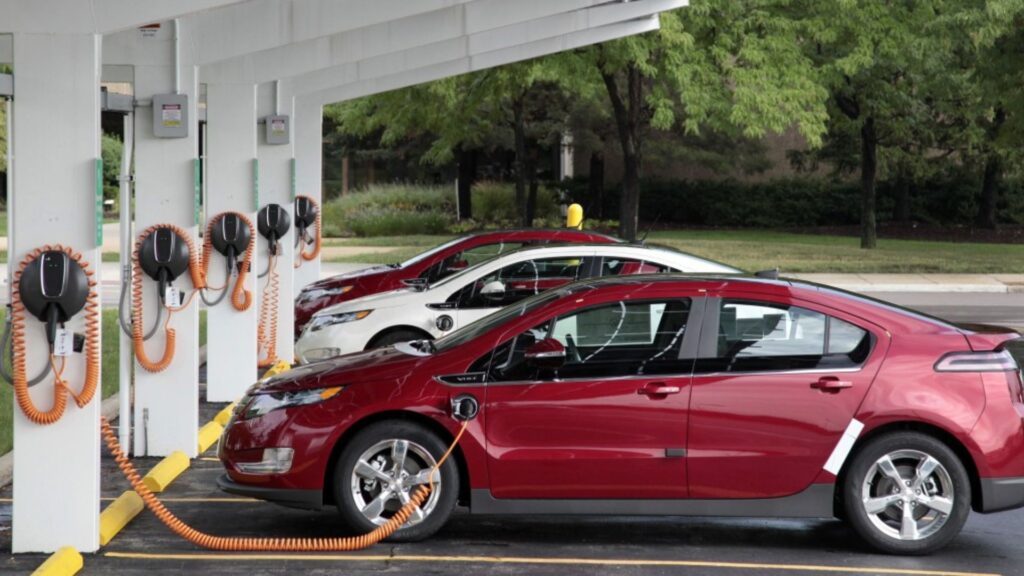
The success of the electric car depends heavily on charging infrastructure. Governments and private companies are investing in fast-charging networks to make electric mobility more practical.
Modern charging stations can recharge a battery up to 80% in under an hour. Home charging units are also becoming more common, allowing users to charge their vehicles overnight.
Battery technology is also advancing rapidly. Researchers are developing solid-state batteries that promise higher energy density, faster charging, and longer lifespan. These improvements will play a crucial role in the future of the electric car industry.
Environmental Impact of Electric Mobility
One of the strongest arguments in favor of the electric car is its positive environmental impact. By eliminating tailpipe emissions, it helps reduce urban air pollution and improves public health.
When powered by renewable energy sources like solar or wind, an electric car can become nearly carbon-neutral. This makes it a key component in global efforts to reduce dependence on fossil fuels.
However, it is important to consider the environmental cost of battery production. Sustainable mining practices and recycling programs are essential to make the entire lifecycle of an electric car truly eco-friendly.
Future Trends in Electric Car Innovation
The future of the electric car industry looks promising. Automakers are investing heavily in autonomous driving technology, artificial intelligence integration, and ultra-fast charging systems.
Wireless charging roads and battery swapping stations are also being tested in some regions. These innovations aim to make electric vehicles more convenient than traditional cars.
In addition, the cost of production is expected to decrease as technology improves, making electric cars more accessible to a wider population.
Government Policies and Market Growth
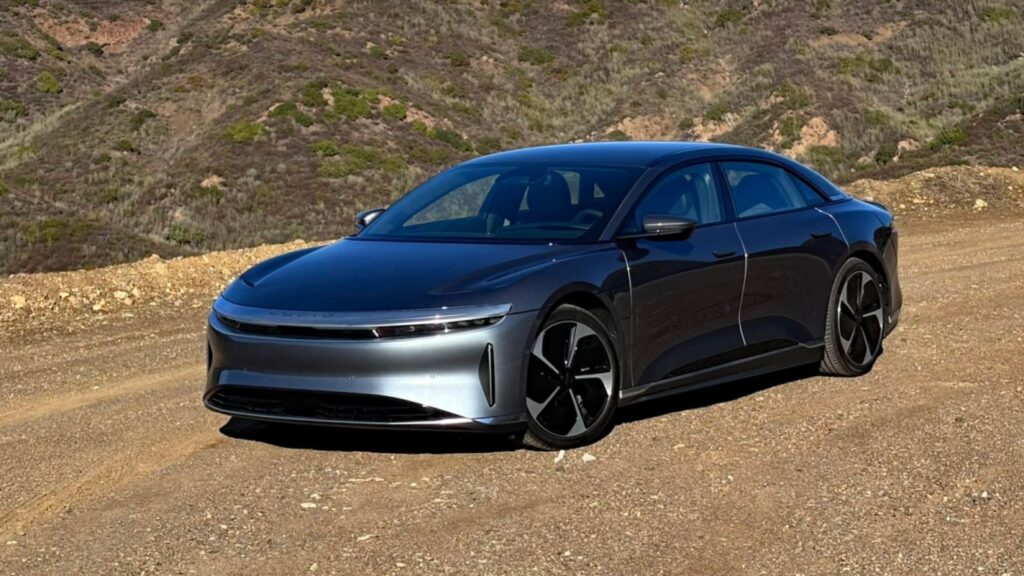
Governments around the world are supporting the adoption of electric car technology through subsidies, tax incentives, and strict emission regulations. Many countries have announced plans to phase out petrol and diesel vehicles in the coming decThis policy support is accelerating market growth and encouraging automakers to shift toward electric production. As a result, competition is increasing, leading to better designs, improved performance, and lower prices for consumers.
Conclusion
The rise of the electric car represents a major shift in global transportation. With its environmental benefits, technological advancements, and growing infrastructure, it is becoming a strong alternative to traditional vehicles.
Although challenges remain, continuous innovation and government support are driving the industry forward. The electric car is not just a trend—it is a long-term solution for a cleaner and more sustainable future.
FAQs
What is an electric car?
An electric car is a vehicle powered entirely by electricity stored in batteries instead of fossil fuels like petrol or diesel.
How far can an electric car travel on a single charge?
The range depends on the model, but most modern electric cars can travel between 200 to 500 kilometers per charge.
Is an electric car cheaper to maintain?
Yes, an electric car generally has lower maintenance costs due to fewer mechanical components.
How long does it take to charge an electric car?
Charging time varies. Fast chargers can charge up to 80% in about 30–60 minutes, while home charging may take several hours.
Are electric cars better for the environment?
Yes, they produce zero tailpipe emissions, making them much cleaner than traditional vehicles.
