


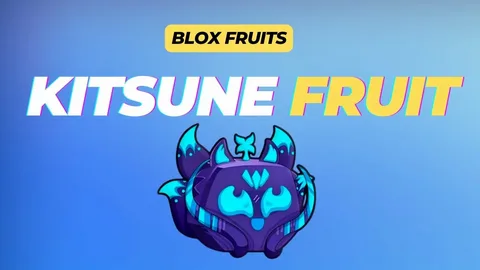
If you’ve spent any time grinding through the seas of Blox Fruits, you’ve probably heard players whisper about one item with almost legendary status: the kitsune fruit. It’s not just another Devil Fruit sitting on a shelf it’s one of the rarest, most expensive, and most visually stunning fruits in the entire game. Whether you’re chasing it for PvP dominance or just want to know what all the hype is about, this guide breaks down everything you need to know about the kitsune fruit, from its origin story to its price tag, its moveset, and the exact steps to add it to your inventory.
What Is the Kitsune Fruit?

The kitsune fruit is a Mythical Beast type fruit in Blox Fruits, inspired by the nine tailed fox spirit from Japanese folklore. Anyone familiar with One Piece’s Zoan type Devil Fruits will recognize the concept instantly: this fruit transforms its user into a powerful mythical creature, complete with enhanced stats and devastating new attacks.
What sets the kitsune fruit apart from other Beast type fruits is its fire based combat style. Instead of relying purely on brute strength, this fruit lets you conjure and control blue flames, turning you into a fast, agile, and dangerous opponent in both PvE and PvP encounters. Visually, the fruit itself has a sleek, fiery-orange design with swirling patterns, which is part of why so many players consider it one of the best-looking fruits in the game.
Interestingly, the kitsune fruit wasn’t part of the original Blox Fruits roster it was the second community designed fruit ever added, created from a winning concept in a fan art contest. That backstory adds a layer of authenticity and charm that pure developer made fruits don’t always have.
Kitsune Fruit Price and Rarity
Let’s talk numbers, because this is usually the first question players ask. The kitsune fruit currently costs around 8,000,000 Beli or 4,000 Robux when purchased from the Blox Fruit Dealer. That price alone places it among the most expensive items in the game.
In terms of rarity, the kitsune fruit sits near the top of the Mythical tier, often ranked as the second or third rarest and most expensive fruit, depending on recent game updates. Fruits like Dragon and Control have occasionally overtaken it in price, but the kitsune fruit remains a premium asset regardless of where it lands on the leaderboard.
Because of this scarcity, owning a kitsune fruit carries serious bragging rights in the Blox Fruits community. Many players treat it less like a tool and more like a status symbol proof that you’ve either grinded hard, spent real money, or gotten extremely lucky.
It’s worth noting that pricing in Blox Fruits fluctuates with updates, so always double check current values before making a trade. The trading economy around the kitsune fruit is active, and its worth can shift based on demand, new fruit releases, and balance changes from the developers.
How to Get the Kitsune Fruit
There isn’t just one path to owning the kitsune fruit there are actually four main methods, each with its own pros, cons, and effort level.
1. Buying from the Blox Fruit Dealer
The most straightforward way to get the kitsune fruit is purchasing it directly from the Blox Fruit Dealer NPC. You’ll need either 8,000,000 Beli or 4,000 Robux. Keep in mind that if you buy it with in game currency, it gets replaced the moment you purchase a new fruit but buying with Robux locks it permanently into your inventory.
2. Rolling at the Gacha
The Blox Fruits Gacha NPC gives you a chance to roll random fruits, including the kitsune fruit, though the odds are quite low. This method is more of a gamble than a guaranteed strategy, but some players prefer it for the thrill.
3. Kitsune Shrine and Azure Embers
For the more adventurous grinder, there’s a unique in game method: collecting Azure Embers and offering them at the Kitsune Shrine, located on Kitsune Island in the Third Sea. This island is only accessible during a full moon at sea danger level six, adding a fun layer of mystery to the process. Unfortunately, the drop rate here is just 0.1%, so be prepared for a long grind.
4. Trading with Other Players
Finally, you can always trade for the kitsune fruit. This route puts you at the mercy of the seller, who will typically expect multiple Mythical tier fruits in exchange. It’s the least predictable method, but sometimes the fastest if you already have valuable items to offer.
No matter which method you choose, getting your hands on the kitsune fruit takes patience, strategy, or a willingness to spend. That’s exactly why it holds so much value in the community.
Kitsune Fruit Abilities and Moveset
Once you’ve unlocked the kitsune fruit, the real fun begins. This fruit grants access to a transformation ability along with several unique attacks, each requiring different mastery levels to unlock.
Here’s a quick breakdown of what makes the kitsune fruit moveset so effective:
- Transformation (V): Turns you into the iconic blue nine tailed fox, boosting speed, damage, and unlocking the ability to walk on water.
- M1 Attack: A flurry of blue slashes that stun opponents and deal burning damage over time.
- Accursed Enchantment: A multi hit attack that creates a small area of effect explosion if it misses its primary target.
- Tails of Burning Agony: A chain attack that zig zags between multiple enemies, perfect for crowd control.
- Mount Ability: Unique to the kitsune fruit (and later Dragon), this lets allied players ride on your back as you traverse the map.
What makes the kitsune fruit stand out in actual gameplay is how fluid its combat feels. The fire based attacks have generous range, and the transformation grants temporary invincibility frames, which is a huge advantage in both raids and PvP duels. However, players should note that all moves (aside from the transformation itself) can only be held for 12 seconds, so timing your combos matters.
Is the Kitsune Fruit Worth It?
This is probably the question most players actually care about: is the kitsune fruit worth the grind, the Robux, or the trade? Based on community feedback and gameplay performance, the answer is a confident yes for most playstyles.
For grinding and leveling, the kitsune fruit’s area of effect attacks make clearing NPC groups fast and efficient. Combined with its mobility options, it’s an excellent choice for farming experience across all three seas.
For PvP, the kitsune fruit is widely regarded as one of the strongest options available. Its unpredictable movement, generous hitboxes on attacks, and burst damage make it genuinely difficult for opponents to counter. Many high level players consider it nearly as strong as Buddha, though it does fall slightly short in M1 damage and the inability to idle on water during fights.
The main downside? Mastery requirements. Lower level players may struggle to unlock all of the kitsune fruit’s moves right away, which can make the early grind feel less rewarding. But once you reach higher mastery levels, the payoff is significant.
Kitsune Fruit vs Other Mythical Fruits

It helps to see how the kitsune fruit stacks up against its closest competitors. Compared to Dragon, the kitsune fruit offers faster mobility but slightly less raw power. Compared to Control, it’s far more beginner accessible once obtained, since Control requires extremely high mastery to use effectively at all.
Against Buddha, arguably the king of grinding fruits, the kitsune fruit holds its own in most areas except idle water combat and raw M1 output. Still, the trade off is a fruit that looks incredible, transforms your entire playstyle, and offers a level of versatility that few other Mythicals can match.
If you’re deciding between fruits for your next big purchase or trade, the kitsune fruit remains one of the safest high-value investments in the current meta.
Tips for Using the Kitsune Fruit Effectively
To get the most value out of your kitsune fruit, keep these practical tips in mind:
- Prioritize mastery grinding early. The sooner you unlock all moves, the sooner you can use the kitsune fruit’s full combo potential.
- Use transformation strategically. Since it costs tails over time, save it for fights or farming sessions where you’ll actually benefit from the boosted stats.
- Pair it with mobility accessories. Enhancing your speed further makes the kitsune fruit even more dominant in PvP scenarios.
- Watch your tail count. Taking damage or removing certain accessories mid transformation can cause you to lose tails unexpectedly.
- Practice combos in PvE first. Before jumping into PvP, get comfortable chaining the kitsune fruit’s attacks against NPCs.
Following these tips will help you unlock the true potential of this fruit far faster than simply equipping it and hoping for the best.
Conclusion
At the end of the day, the kitsune fruit earns its reputation as one of Blox Fruits’ most coveted items. From its striking fox transformation to its fire-based combat style and impressive mobility, it’s easy to see why so many players are willing to grind, gamble, or trade for it. Whether your goal is dominating PvP battles or speeding through NPC farming, the kitsune fruit delivers real value across nearly every aspect of gameplay. If you’re on the fence about chasing this fruit, consider this your sign: the kitsune fruit is absolutely worth the investment for serious Blox Fruits players.
FAQs
How much does the kitsune fruit cost in Blox Fruits?
The kitsune fruit typically costs 8,000,000 Beli or 4,000 Robux when bought from the Blox Fruit Dealer, though pricing can shift slightly with updates.
What is the drop rate for the kitsune fruit at the shrine?
Offering Azure Embers at the Kitsune Shrine gives roughly a 0.1% chance of obtaining a physical kitsune fruit, making it a low probability but rewarding method.
Is the kitsune fruit good for PvP?
Yes, the kitsune fruit is considered one of the strongest PvP fruits thanks to its speed, burst damage, and generous attack hitboxes.
Can low level players use the kitsune fruit effectively?
It’s possible, but the kitsune fruit’s higher mastery requirements mean newer players may need time before unlocking its full moveset.
Where do I find Kitsune Island to get Azure Embers?
Kitsune Island is located in the Third Sea and is only accessible during a full moon at sea danger level six.
