


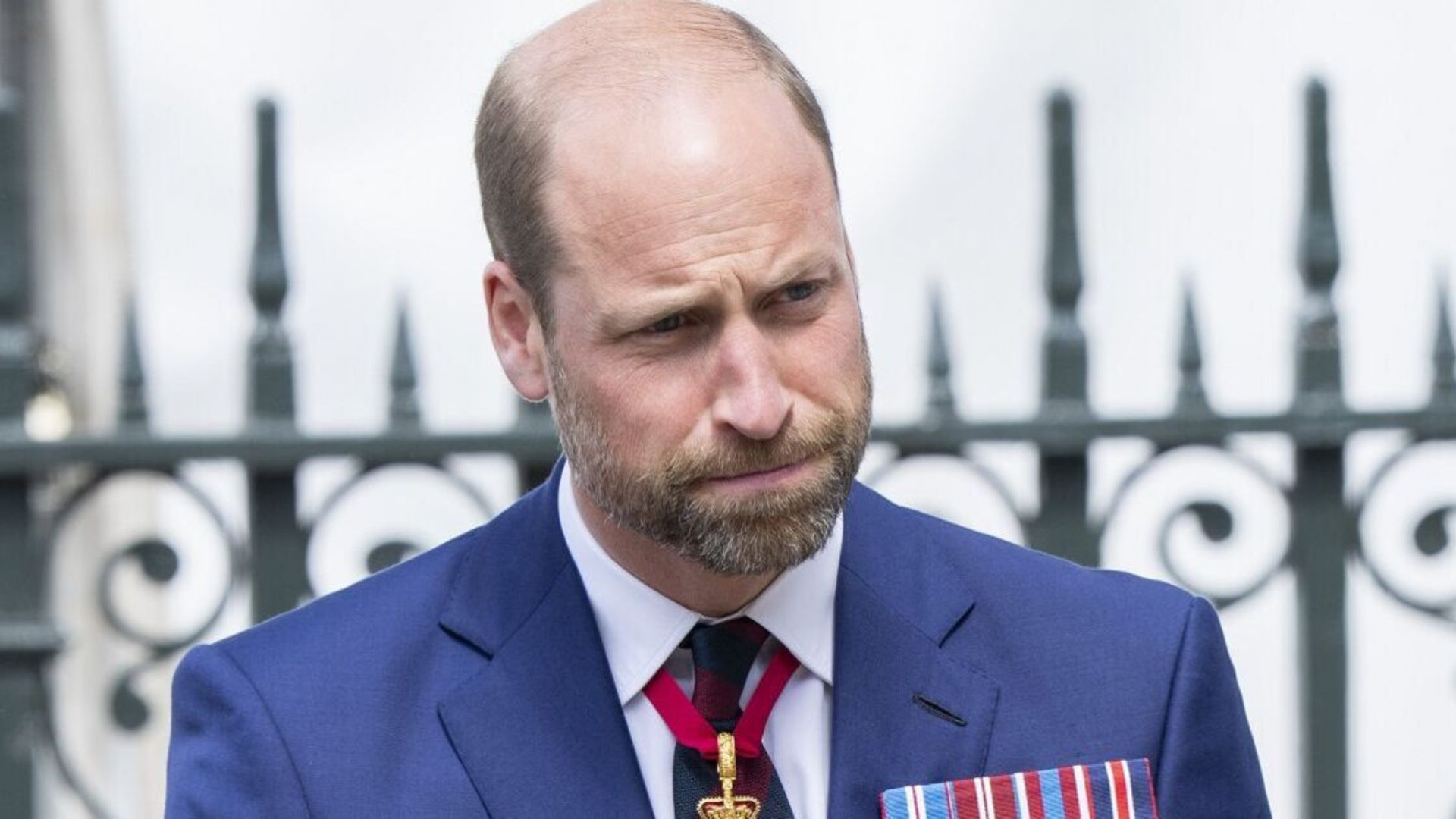
The role of William, Prince of Wales has become increasingly significant in recent years as the British monarchy adapts to a rapidly changing world. As the eldest son of King Charles III and the late Princess Diana, he carries both historical responsibility and public expectation. His public image combines traditional royal duty with a more modern and approachable leadership style, making him one of the most closely watched figures in the royal family.
Across the United Kingdom and internationally, many people view him as a future monarch prepared to modernize royal responsibilities while preserving long-standing traditions. From charity initiatives to environmental campaigns, his public work has expanded far beyond ceremonial appearances. In recent years, he has increased his involvement in sustainability programs, rural development, mental health campaigns, and homelessness awareness. Reports from recent public engagements also highlight his continuing interest in environmental conservation and community projects.
Early Life and Royal Background
Born into one of the world’s most recognized royal families, William experienced public attention from an early age. His childhood was shaped by royal protocol, media attention, and the influence of both his parents. While royal traditions played an important role in his upbringing, his mother, Princess Diana, was known for introducing him to everyday experiences outside palace life. This balance helped shape his public personality and communication style later in life.
The tragic loss of Princess Diana in 1997 deeply affected public opinion toward the royal family and significantly impacted William personally. Over time, he gradually stepped into larger responsibilities while maintaining a relatively calm and measured public presence. His ability to remain composed under public scrutiny has contributed to his reputation as a dependable senior royal figure.
Education and Military Experience
Education played a central role in preparing William for future responsibilities. He attended prestigious schools before continuing higher education at University of St Andrews, where he studied geography. His university years attracted significant media attention, but they also helped him develop a more independent identity beyond royal tradition.
Following university, William pursued military training and served in the armed forces. His time in military service was widely viewed as an important stage in understanding discipline, teamwork, and national service. He later worked as an air ambulance pilot, a role that strengthened his connection with communities and emergency response work. Many royal observers considered this period one of the most relatable chapters of his life because it reflected practical service rather than ceremonial duty.
Marriage and Family Responsibilities
William’s marriage to Catherine, Princess of Wales marked a major moment for the monarchy. Their relationship attracted worldwide attention and symbolized a new generation within the royal institution. Together, they have focused heavily on family life while balancing demanding public responsibilities.
As parents to Prince George, Princess Charlotte, and Prince Louis, they often emphasize stability, education, and privacy for their children. Public appearances involving the family frequently receive positive reactions because they present a more relatable image compared to previous generations of royalty.
Family remains a major part of William’s public identity. He often speaks about the importance of parenting, emotional well-being, and creating supportive environments for younger generations. His recent comments honoring environmental advocate David Attenborough also revealed how environmental awareness is being encouraged within his own household.
Public Duties and National Representation
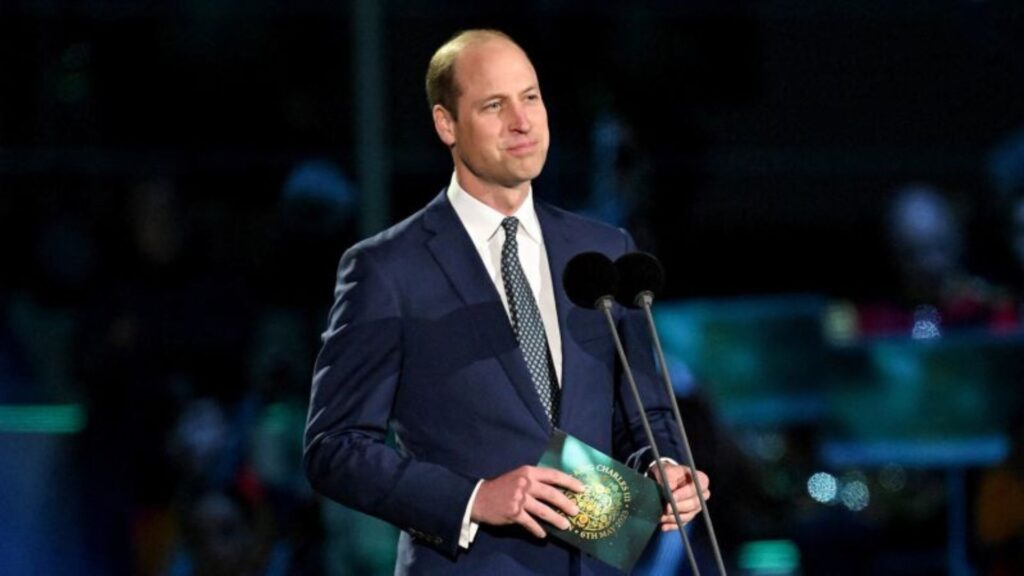
As Prince of Wales, William carries extensive public responsibilities. His duties include representing the monarchy during official events, supporting charitable organizations, and engaging with communities across the United Kingdom. His schedule regularly includes visits to schools, healthcare facilities, conservation projects, and local businesses.
Recent engagements in North Yorkshire highlighted his support for farming communities and sustainable energy initiatives. During these visits, he discussed rural economic challenges, environmental programs, and mental health support for farmers.
William is also frequently involved in events related to youth development, sports participation, and public welfare. His support for women’s football and grassroots sports programs demonstrates his interest in promoting wider participation and community engagement.
Environmental Initiatives and Earthshot Prize
One of the defining aspects of William’s public work is his commitment to environmental causes. His most recognized initiative is the The Earthshot Prize, which focuses on supporting innovative solutions to global environmental challenges. The project aims to encourage practical action in areas such as climate protection, clean energy, and biodiversity restoration.
Environmental advocacy has become central to William’s international image. He has participated in sustainability conferences, conservation projects, and global discussions related to climate action. Recent reports also highlighted his continued engagement with renewable energy programs and wildlife conservation efforts.
His conservation efforts have drawn inspiration from figures such as David Attenborough, whose influence William has openly acknowledged. Environmental protection is increasingly associated with the future direction of the monarchy, and William appears determined to strengthen that connection through long-term projects rather than symbolic statements alone.
Advocacy for Mental Health and Homelessness
Another major area of focus for William has been mental health awareness. Alongside other members of the royal family, he has supported campaigns encouraging open discussions about emotional well-being. His work in this field has helped reduce stigma around mental health conversations, especially among younger audiences.
Homelessness is another issue that William has consistently addressed. Inspired partly by his mother’s humanitarian work, he has supported housing initiatives and community programs designed to provide long-term assistance for vulnerable individuals. His public discussions on these topics often emphasize practical support, dignity, and social responsibility.
This combination of environmental advocacy, mental health awareness, and homelessness support reflects a broader strategy aimed at making royal work more socially relevant in the modern era.
Leadership Style and Public Perception
William’s leadership style is often described as measured, calm, and modern. Compared to previous generations, he appears more focused on long-term social issues and community engagement rather than purely ceremonial visibility. Public reactions to his work are generally positive, particularly among audiences interested in environmental sustainability and social development.
At the same time, public discussion surrounding the monarchy remains complex. Online discussions and media commentary occasionally question the effectiveness or authenticity of royal initiatives. Some critics argue that balancing privilege with advocacy work creates unavoidable contradictions.
Despite criticism, William continues to maintain a strong public presence and remains one of the most influential members of the royal family. His ability to navigate both praise and scrutiny will likely shape perceptions of the monarchy in future decades.
Challenges of Modern Royal Responsibilities
Modern royal life involves intense media attention, global scrutiny, and rapidly changing public expectations. William operates within an institution that must constantly balance tradition with modernization. Public expectations today extend far beyond ceremonial appearances, requiring active involvement in social, environmental, and national issues.
The royal family has also faced controversies and internal tensions in recent years, creating additional pressure on senior royals. William’s public appearances often carry broader symbolic importance because they are viewed as indicators of the monarchy’s future direction.
Navigating these pressures requires careful communication, strategic public engagement, and a clear sense of purpose. William’s approach suggests a focus on stability, continuity, and gradual modernization.
International Influence and Global Engagement
William’s influence extends beyond Britain. His international visits often focus on environmental partnerships, cultural cooperation, and conservation initiatives. His recent visit to Saudi Arabia emphasized biodiversity protection and environmental restoration projects.
Global engagement has become increasingly important for modern royal figures because international visibility can strengthen diplomatic relationships and charitable partnerships. William’s environmental focus also aligns with growing worldwide concern regarding sustainability and climate resilience.
By combining traditional royal diplomacy with contemporary global issues, he has positioned himself as a figure associated with future-focused leadership rather than purely ceremonial monarchy.
Future Expectations as Future King
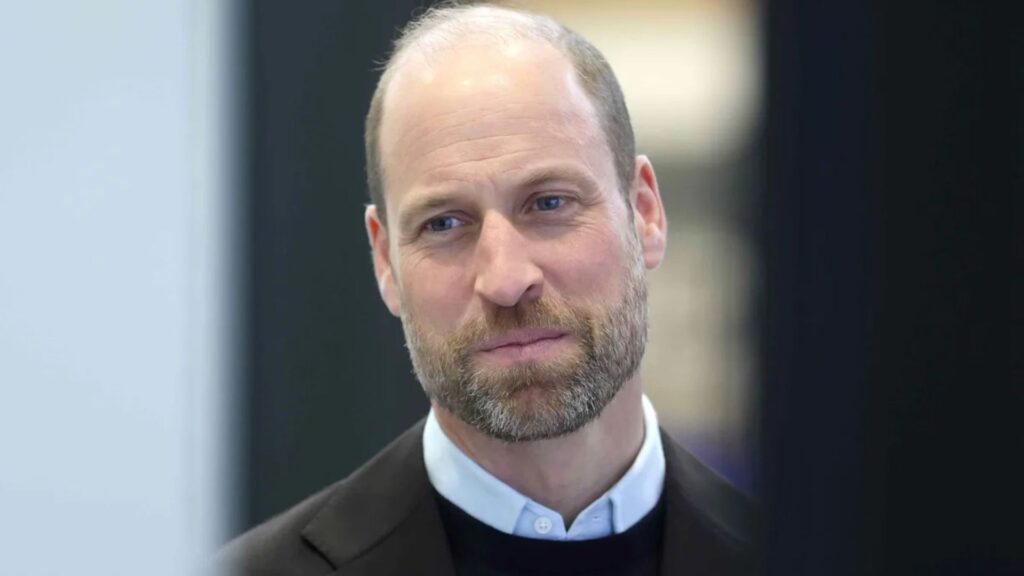
As heir to the British throne, William faces enormous expectations regarding the future of the monarchy. Many observers believe he represents a transitional generation capable of modernizing royal responsibilities while preserving institutional continuity.
His future reign will likely prioritize environmental sustainability, social welfare initiatives, mental health advocacy, and public accountability. Public interest in his leadership style continues to grow as he takes on more senior responsibilities within the royal family.
While challenges remain, William’s long-term public image suggests a leader focused on adapting royal traditions to contemporary society. His growing role in national and international affairs indicates that he will likely continue shaping public expectations for the monarchy in the decades ahead.
Conclusion
William, Prince of Wales stands at the center of a changing monarchy. Through environmental leadership, charitable initiatives, and public engagement, he has developed an identity that blends royal tradition with modern responsibility. His focus on sustainability, mental health, homelessness, and community support reflects broader social concerns that resonate with contemporary audiences.
As public expectations continue evolving, William’s leadership style may play a defining role in determining how the monarchy remains relevant in the future. Whether through environmental innovation, charitable outreach, or international diplomacy, his influence on the next chapter of royal history is already becoming increasingly visible.
FAQs
Who is William, Prince of Wales?
William, Prince of Wales is the eldest son of King Charles III and the heir to the British throne.
What is William known for?
He is known for environmental advocacy, charitable initiatives, mental health campaigns, and royal leadership.
What is The Earthshot Prize?
The Earthshot Prize is an environmental initiative founded by Prince William to support innovative climate and sustainability solutions.
What causes does William support?
He supports environmental conservation, mental health awareness, homelessness initiatives, youth development, and rural community programs.
Is William expected to become king?
Yes, William is the heir to the British throne and is expected to become king in the future.
How does William modernize the monarchy?
He focuses on practical social issues, environmental sustainability, community engagement, and relatable public communication.
