


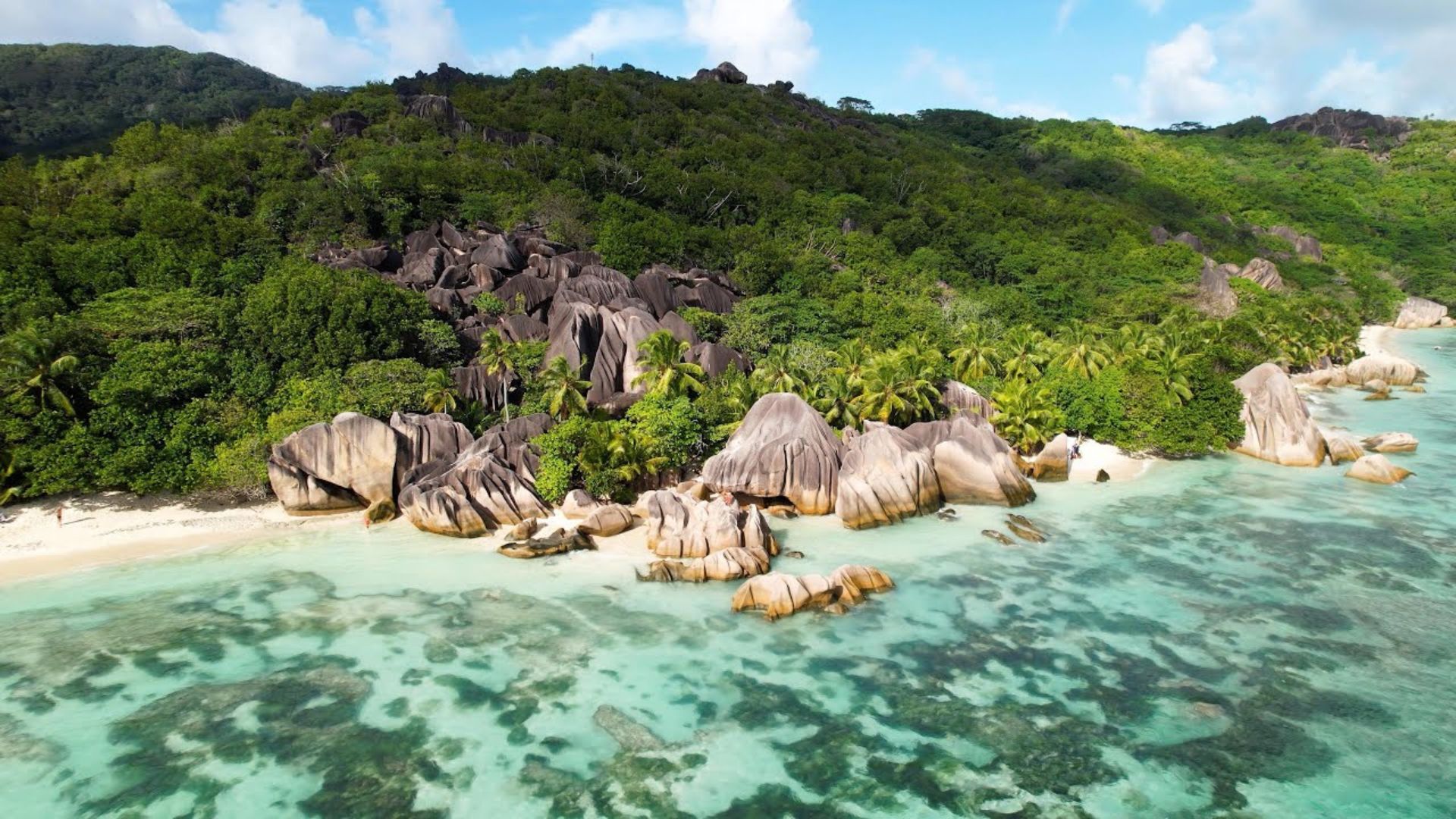
Seychelles is a small yet globally significant island nation located in the Indian Ocean. Despite its modest land area and population, Seychelles has gained recognition for its natural beauty, ecological diversity, and strong economic performance compared to many other island countries. The country represents a unique blend of environmental preservation and economic ambition, making it an important case study in sustainable development. Understanding Seychelles involves exploring its geography, ecosystems, and economic strategies that shape its identity on the world stage.
Geographic Location and Island Structure
Seychelles consists of approximately 115 islands scattered across a vast stretch of the Indian Ocean. These islands are divided into two main categories: granitic islands and coralline islands. The granitic islands, including the main island of Mahé, are characterized by rocky terrain and mountainous landscapes. In contrast, the outer coralline islands are flatter and more remote.
This geographical dispersion presents both opportunities and challenges. While it enhances biodiversity and natural beauty, it also complicates transportation, governance, and infrastructure development. The wide distribution of islands requires efficient planning to ensure connectivity and resource management.
Climate and Natural Environment
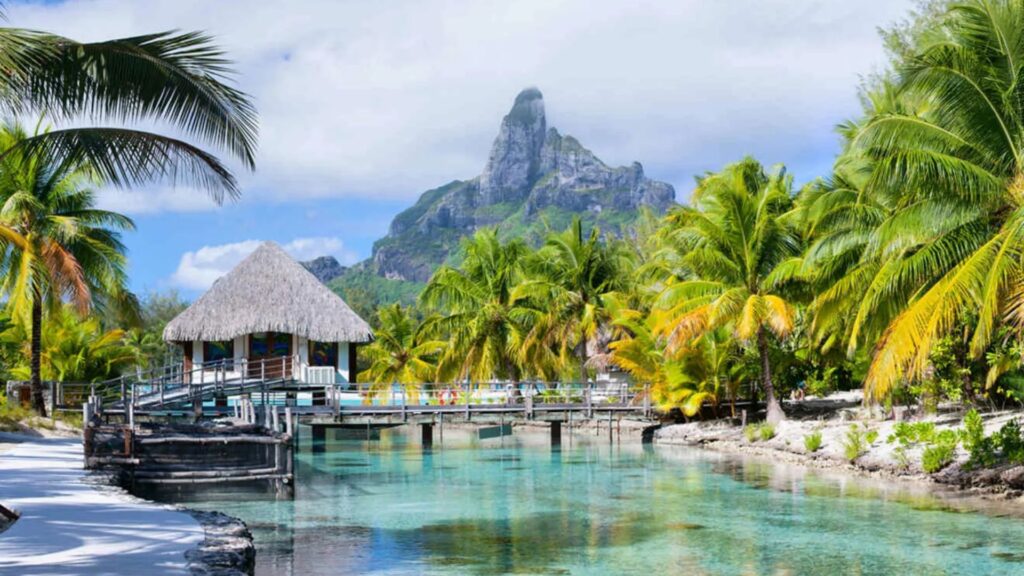
Seychelles enjoys a tropical climate with warm temperatures throughout the year. Seasonal variations are minimal, and the islands typically experience a mix of sunshine, rainfall, and ocean breezes. This stable climate supports lush vegetation, vibrant marine ecosystems, and year-round agricultural activity.
The natural environment includes dense forests, coral reefs, and pristine coastlines. These features are not only visually appealing but also essential for maintaining ecological balance and supporting economic activities such as tourism and fishing.
Biodiversity and Unique Ecosystems
Seychelles is widely recognized as a biodiversity hotspot. The islands host numerous plant and animal species that are not found anywhere else in the world. One of the most notable examples is the coco de mer palm, which produces the largest seed among plant species.
The surrounding marine environment is equally rich, with coral reefs supporting a wide variety of fish and other sea life. Protected areas and national parks play a crucial role in preserving these ecosystems. Conservation efforts are deeply integrated into national policies, ensuring that natural resources are used responsibly.
Historical Background and Political Development
The history of Seychelles reflects a mix of exploration, colonization, and independence. The islands were initially uninhabited before being explored and later colonized by European powers. Over time, control shifted between different colonial administrations before Seychelles eventually gained independence in 1976.
Since independence, the country has developed a stable political system and transitioned into a multiparty democracy. Governance in Seychelles emphasizes development, stability, and international cooperation, contributing to its overall progress.
Population, Language, and Culture
Seychelles has a relatively small population, making it one of the least populated nations globally. Despite its size, the country is culturally diverse, influenced by African, European, and Asian heritage.
The main languages spoken include Creole, English, and French. This linguistic diversity reflects the country’s history and enhances its global connectivity. Cultural traditions, cuisine, and social practices all demonstrate a blend of different influences, creating a unique national identity.
Economic Structure of Seychelles
The economy of Seychelles is primarily service-based, with a strong emphasis on tourism and related industries. It is considered a high-income economy within its region, with a relatively high standard of living compared to many neighboring countries.
However, the economy’s dependence on a limited number of sectors creates vulnerability. External factors such as global economic conditions and environmental changes can significantly impact national income.
Role of Tourism in Economic Growth

Tourism is the backbone of the Seychelles economy. The country attracts visitors from around the world due to its beaches, marine life, and eco-friendly environment. Tourism generates employment, foreign exchange, and investment opportunities.
Infrastructure development, including airports and accommodation facilities, has supported the growth of this sector. However, reliance on tourism also means that the economy is sensitive to global travel trends and environmental conditions.
Fisheries and Marine Resources
Fishing is another key contributor to the economy of Seychelles. The country benefits from a large maritime zone rich in marine resources, particularly tuna. Fisheries provide both food security and export revenue.
Efforts have been made to ensure sustainable fishing practices, as overfishing could threaten long-term economic and environmental stability. International partnerships have also supported advancements in this sector.
Emerging Sectors and Economic Diversification
To reduce dependence on traditional sectors, Seychelles is actively exploring new areas of economic growth. These include renewable energy, financial services, and digital technology.
Diversification is essential for building economic resilience. By investing in new industries, Seychelles aims to create a more balanced economy that can withstand global uncertainties and provide long-term stability.
Infrastructure and Development Challenges
Seychelles faces several challenges related to its geography and size. Transportation between islands can be costly and complex, and the country relies heavily on imports for essential goods.
Limited land and natural resources also restrict large-scale industrial development. Addressing these challenges requires innovative solutions, strategic investments, and international cooperation.
Sustainability and Environmental Protection
Sustainability is a core priority for Seychelles. The government has implemented policies to protect natural resources and promote eco-friendly development. Large portions of land and marine areas are designated as protected zones.
This commitment to conservation not only preserves biodiversity but also enhances the country’s global reputation. Sustainable practices are essential for maintaining the balance between economic growth and environmental protection.
Opportunities for Future Growth
Seychelles has significant potential for future growth, particularly in areas such as renewable energy and sustainable tourism. Advancements in technology and increased global awareness of environmental issues provide new opportunities for development.
By focusing on innovation and sustainability, Seychelles can continue to grow while preserving its natural heritage. Strategic planning and international collaboration will play a key role in shaping the country’s future.
Conclusion
Seychelles stands as a remarkable example of how a small island nation can achieve economic success while prioritizing environmental sustainability. Its unique geography, rich biodiversity, and forward-thinking policies make it an important player in global discussions on development and conservation.
Although challenges remain, Seychelles continues to adapt and evolve. Its commitment to sustainability and diversification ensures that it remains resilient in an ever-changing world.
FAQs
Where is Seychelles located?
Seychelles is located in the Indian Ocean, northeast of Madagascar and east of mainland Africa.
How many islands make up Seychelles?
Seychelles consists of around 115 islands, including both granitic and coralline types.
What is the main economic activity in Seychelles?
Tourism is the primary economic driver, followed by fisheries and related industries.
What languages are spoken in Seychelles?
The main languages are Creole, English, and French.
Why is Seychelles important globally?
Seychelles is important for its biodiversity, sustainable development practices, and economic model.
