


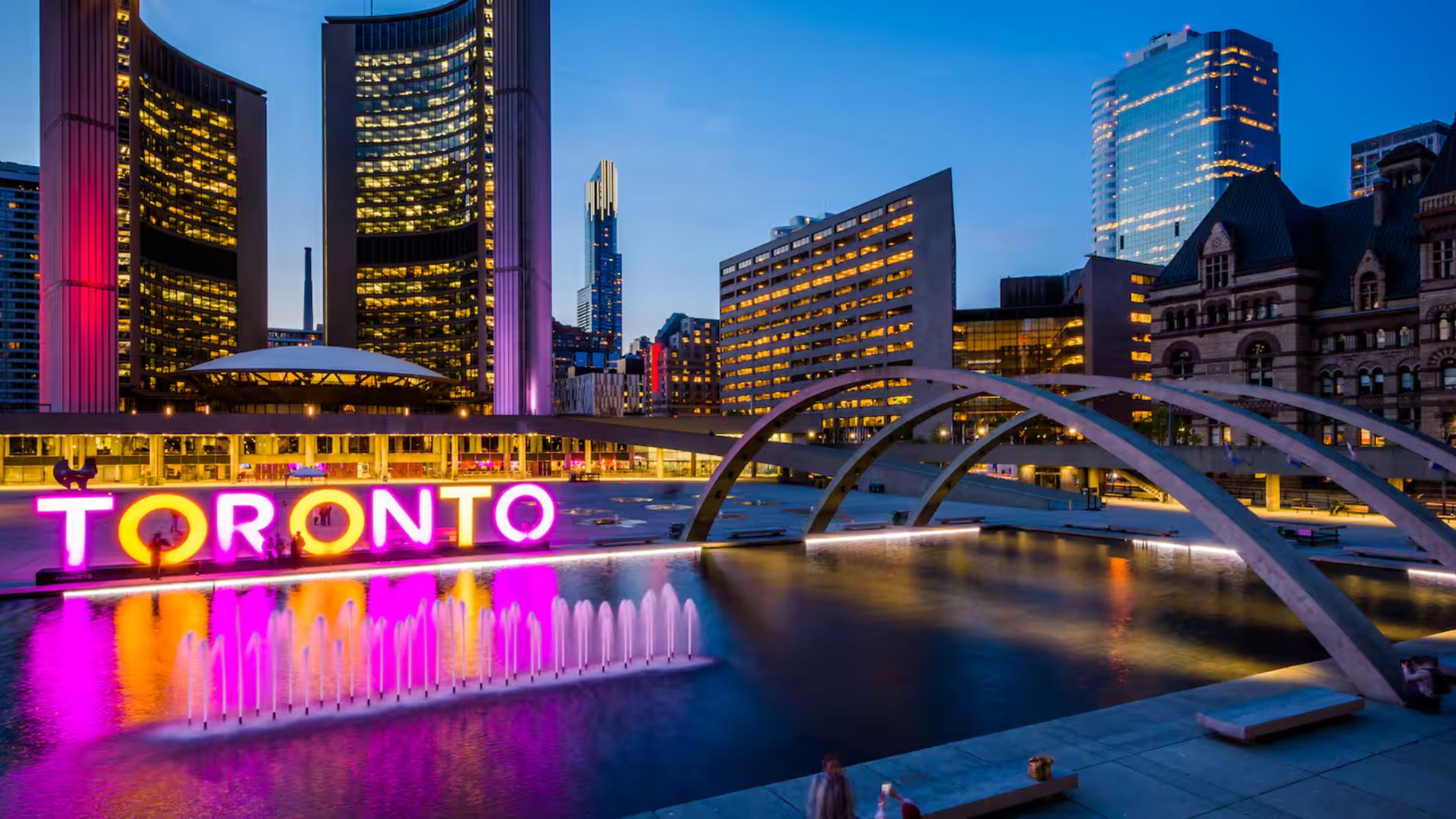
Toronto stands as one of the most influential urban centers in North America, widely recognized for its economic strength, cultural diversity, and global relevance. As the capital of Ontario and the largest city in Canada, Toronto plays a central role in shaping the nation’s financial, commercial, and technological future. Its rapid transformation from a regional hub into a global metropolis reflects decades of strategic growth, immigration, and economic diversification. Today, Toronto represents not just a city, but a dynamic ecosystem where innovation, business, and urban life intersect.
Geographic Importance and Strategic Location
Toronto’s location on the northwestern shore of Lake Ontario gives it a significant advantage in trade and connectivity. Positioned near the United States border and linked to the Atlantic Ocean through major waterways, the city serves as a key gateway for international commerce. This strategic placement has historically allowed Toronto to evolve into a major transportation and distribution center. Lake Ontario has played a critical role in shaping the city’s trade routes and economic accessibility, further strengthening its importance in global markets.
Population Growth and Multicultural Identity
Toronto is the most populous city in Canada, with millions of residents contributing to its vibrant urban landscape. The city has experienced consistent population growth over the decades, driven largely by immigration.
What truly distinguishes Toronto is its multicultural identity. More than half of its residents come from diverse ethnic backgrounds, making it one of the most inclusive cities in the world. This diversity fuels creativity, entrepreneurship, and global connections, turning Toronto into a cultural and economic hub that attracts talent from across the globe.
Economic Powerhouse of Canada

Toronto is widely regarded as the financial capital of Canada and one of the leading economic centers in North America. The city contributes a significant portion of the country’s GDP and hosts major financial institutions.
The presence of the Toronto Stock Exchange further solidifies its financial dominance, ranking among the largest stock exchanges in North America. This concentration of financial activity has transformed Toronto into a hub for investment, capital markets, and economic decision-making.
Key Industries and Employment Sectors
Toronto’s economy is highly diversified, with multiple industries contributing to its growth. The most prominent sectors include professional services, healthcare, retail, and technology.
Over time, Toronto has transitioned from a manufacturing-based economy to a service-oriented one. While manufacturing still plays a role, industries such as finance, real estate, and technology now dominate the economic landscape. This shift has allowed the city to remain resilient and adaptable in a rapidly changing global economy.
Infrastructure and Urban Development
Toronto’s urban development reflects its growth as a global city. The skyline, dominated by modern high-rise buildings and iconic structures, symbolizes economic progress and architectural innovation. Landmarks like the CN Tower highlight the city’s global identity.
Public transportation systems, highways, and urban planning initiatives support the city’s expanding population and business activities. The city continues to invest in infrastructure to ensure efficient mobility and sustainable urban expansion.
Business Environment and Investment Opportunities
Toronto offers a highly competitive business environment, attracting both domestic and international investors. The city’s stable governance, skilled workforce, and access to global markets make it an ideal location for business expansion.
Companies benefit from Toronto’s strong financial ecosystem, access to capital, and supportive policies. Additionally, proximity to major international markets enhances its appeal as a strategic business hub.
Education, Workforce, and Innovation
Toronto is home to a highly educated and diverse workforce, supported by leading institutions such as University of Toronto. This strong educational foundation contributes to the city’s innovation-driven economy.
The workforce in Toronto is characterized by adaptability and global perspective, enabling businesses to thrive in competitive industries. Innovation hubs and startups continue to expand, reinforcing Toronto’s reputation as a center for technological advancement.
Quality of Life and Urban Sustainability
Toronto consistently ranks among the most livable cities globally, offering a high quality of life for its residents. The city provides access to healthcare, education, public services, and recreational facilities, making it an attractive place to live and work.
Sustainability initiatives and environmental policies further enhance livability. Efforts to promote green spaces, reduce emissions, and improve public transportation contribute to a healthier urban environment. These initiatives reflect Toronto’s commitment to long-term sustainability.
Challenges Facing Toronto
Despite its strengths, Toronto faces several challenges that accompany rapid urban growth. Housing affordability remains a major concern, as rising property prices and rental costs affect residents.
Traffic congestion and infrastructure strain are also ongoing issues, driven by population growth and urban expansion. Addressing these challenges requires coordinated efforts to ensure sustainable development.
Future Outlook of Toronto
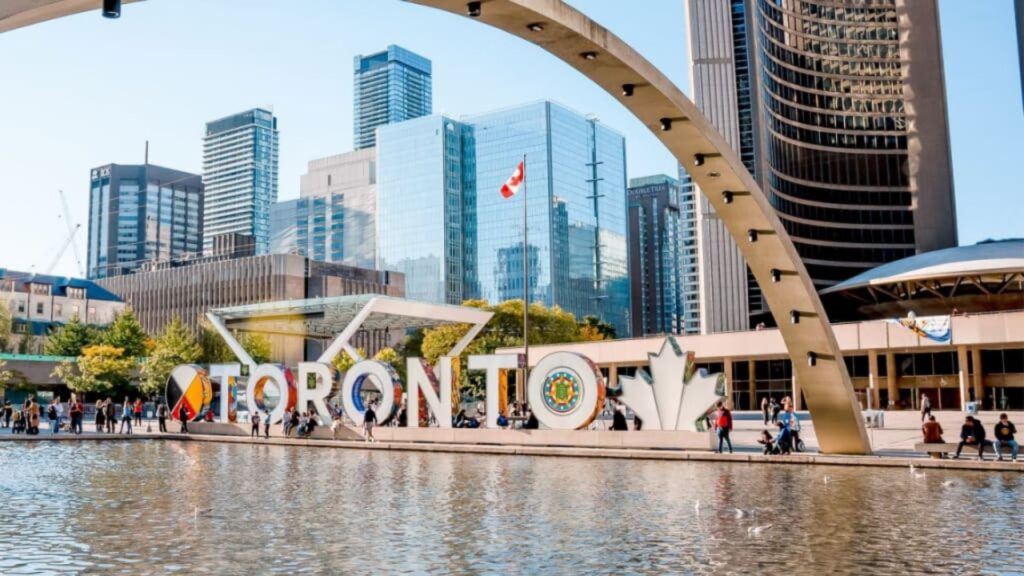
The future of Toronto appears promising, with continued growth expected in key sectors such as technology, finance, and healthcare. The city’s ability to adapt to global trends and embrace innovation will shape its trajectory.
As Toronto continues to attract talent and investment, it is likely to strengthen its position as a leading global city. Strategic planning and sustainable development will be essential to maintaining its competitiveness.
Conclusion
Toronto represents a powerful blend of economic strength, cultural diversity, and urban innovation. Its strategic location, robust economy, and inclusive society make it a model for modern cities worldwide. While challenges exist, the city’s resilience and forward-thinking approach ensure that it remains a key player on the global stage. Toronto is not just a city—it is a dynamic force driving growth, opportunity, and progress in the modern world.
FAQs
Why is Toronto important globally?
Toronto is a major financial and economic hub with strong industries and global business influence.
What makes Toronto unique?
Its multicultural population, economic strength, and global connectivity make it one of the most diverse cities worldwide.
What are the main industries in Toronto?
Finance, technology, healthcare, retail, and professional services are key sectors.
Is Toronto a good place for business?
Yes, it offers access to skilled talent, capital, and international markets.
What challenges does Toronto face?
Housing affordability, traffic congestion, and infrastructure demands are major challenges.
