



Scott Carson is a professional football goalkeeper from England whose wage and career earnings have attracted attention for an unusual reason: he earned a high salary despite limited playing time at elite clubs. Carson’s story provides a window into how wages in top-tier football are influenced by more than just match appearances. By examining Scott Carson’s wage, we can understand how professional footballers are compensated for experience, squad contribution, and long-term professionalism.
The Wage Structure in Professional Football
Professional football wages are highly variable. Factors that determine salaries include:
- Contract length and specific clauses
- Player role (starter, backup, or squad player)
- Experience, age, and reputation
- Bonuses for appearances, wins, or team achievements
Even players who rarely appear in matches can earn substantial wages in elite clubs, reflecting their training contributions, leadership, and the commercial value they bring to the team.
Scott Carson’s Career Journey
Scott Carson began his career in the early 2000s and played for several clubs, including Leeds United, Liverpool, West Bromwich Albion, and Derby County. In the latter part of his career, he joined Manchester City, often serving as a backup goalkeeper. While his on-field appearances were limited, his presence in the squad and experience were highly valued. Carson’s career trajectory shows how a professional footballer’s wage can be substantial even without being a regular starter.
Breakdown of Scott Carson’s Wage at Manchester City
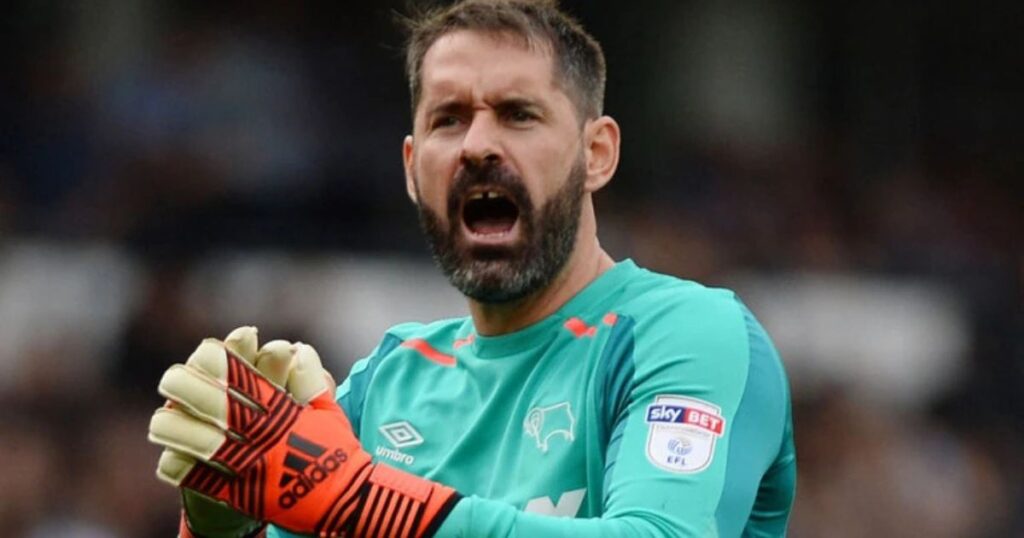
At Manchester City, Carson reportedly earned around £25,000 per week when he initially joined. Later, contract renewals reportedly increased this to approximately £30,000 per week. This translates to roughly £1.3 million to £1.6 million annually before taxes. Over the course of his career, estimates suggest his total earnings could approach £19 million. These figures highlight how top-tier clubs invest in experienced squad members, valuing stability and professionalism even if match appearances are limited.
Comparison of Carson’s Wages to Other Professional Footballers
In elite clubs, wages differ dramatically:
- Starters and marquee players may earn ten times or more than backup players.
- Backup players, like Carson, still earn salaries higher than first-team players at smaller clubs.
This disparity underscores the financial dynamics within football clubs. Carson’s earnings reflect the importance clubs place on squad depth, experience, and reliable backup options.
The Value of Experience Beyond Playing Time
Carson’s value was not only measured in matches played. Experienced players contribute to team preparation, mentor younger players, and provide tactical insight during training. This “off-the-pitch” contribution is often overlooked but crucial in professional football. Teams are willing to reward such experience with competitive wages, even if the player rarely appears in games.
How Wages Reflect Role and Contribution
Wages in professional football often reflect a combination of factors:
- Past achievements and professional reputation
- Leadership and guidance within the squad
- Tactical knowledge and influence in training
- Contractual guarantees for financial security
Carson’s role at Manchester City exemplifies how wages can reward overall contribution to the team rather than just match performance.
Economic Impacts of Long-Term Contracts
Long-term contracts benefit both players and clubs:
- Players gain financial security and stability, particularly toward the end of their careers.
- Clubs secure squad depth without repeated transfer negotiations.
- Contracts allow clubs to plan budgets effectively, knowing the wage commitments in advance.
Carson’s extended contracts provided him both financial reward and a steady role within an elite club, even if he rarely featured in matches.
Lessons for Aspiring Athletes
Aspiring footballers can learn several lessons from Scott Carson’s wage journey:
- Success in professional sports involves more than match appearances.
- Longevity and professionalism can lead to substantial career earnings.
- Understanding contract negotiations and securing financial stability are crucial.
Carson’s career demonstrates that contribution off the field can be just as valuable as performance on it.
Conclusion
The story of the Scott Carson wage highlights how professional football values experience, squad depth, and long-term contribution. While Carson’s on-field appearances were limited in his later years, his earnings remained significant. His wage reflects the financial realities of modern elite football, where professional expertise, consistency, and team role can be as important as match statistics.
FAQs
What was Scott Carson’s wage at Manchester City?
Carson reportedly earned £25,000 per week when he joined, later rising to approximately £30,000 per week. This equates to £1.3 million to £1.6 million per year.
Did Scott Carson earn more than he played?
Yes. Despite limited appearances, his wages were high due to his role as an experienced squad member and backup goalkeeper.
Why do backup players earn high wages?
Backup players contribute to training, team morale, and tactical preparation. Their value extends beyond match appearances.
How much did Scott Carson earn in his career?
Estimates suggest his total career earnings approach £19 million, highlighting the financial benefit of longevity and professionalism.
What can aspiring athletes learn from Carson’s wage journey?
His career teaches that professionalism, consistency, and understanding one’s role can lead to financial and career success even without regular match appearances.
