


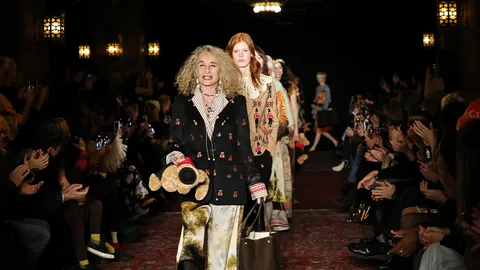
Fashion week is the heartbeat of the global style industry. Twice a year, the world’s biggest designers, fashion editors, buyers, models, and influencers gather in iconic cities to preview what the world will wear next. From dramatic runway shows in Paris to trendsetting collections in New York, fashion week is where creativity, business, and culture collide.
Whether you follow haute couture, streetwear, luxury brands, or emerging designers, fashion week shapes everything from retail collections to what appears on social media feeds. This in-depth guide will walk you through the global schedules, the designers who define the industry, and the runway trends that influence fashion worldwide.
What Fashion Week Really Means
Fashion week is a biannual industry event where designers showcase their upcoming collections for the next season. These presentations usually happen in spring and fall, allowing buyers and retailers to plan what will be sold in stores months later.
While many people see fashion week as glamorous runway shows and celebrity appearances, it is actually a vital part of the fashion economy. Brands use these events to introduce new designs, test market reactions, and secure wholesale orders.
Over time, fashion week has grown into a cultural phenomenon. What starts on the runway quickly moves to magazines, digital platforms, and eventually into everyday wardrobes. That is why these weeks are followed so closely by the global fashion community.
Global Fashion Week Schedule
The fashion calendar follows a structured order that repeats every year. This system ensures that designers, buyers, and media can move from one major city to another without missing important shows.
Typical Fashion Week Order
The global fashion week schedule usually looks like this:
- New York Fashion Week
- London Fashion Week
- Milan Fashion Week
- Paris Fashion Week
These events are known as the “Big Four” because of their influence and scale. Smaller fashion weeks also take place in cities like Tokyo, Copenhagen, Berlin, and Seoul, adding regional creativity to the global fashion industry.
Each fashion week typically lasts about a week, during which dozens of designers present their collections through runway shows, presentations, and digital experiences.
The Big Four Fashion Capitals
New York Fashion Week
New York Fashion Week is known for its bold energy, diversity, and commercial appeal. Designers here often focus on wearable fashion that blends creativity with everyday practicality.
Many American brands, emerging designers, and streetwear labels make their mark during this fashion week. It sets the tone for what consumers will actually buy.
London Fashion Week
London’s fashion week is famous for experimentation and artistic freedom. Designers here push boundaries, often introducing new silhouettes, fabrics, and ideas that later influence the rest of the world.
This fashion week is also where many new designers get their first big break.
Milan Fashion Week
Milan Fashion Week represents luxury, craftsmanship, and elegance. Italian fashion houses are known for tailoring, leather, and timeless design.
This fashion week is dominated by heritage brands and glamorous runway productions that highlight premium fashion.
Paris Fashion Week
Paris Fashion Week is the crown jewel of the fashion calendar. It is home to haute couture and the world’s most prestigious fashion houses.
Designers use this fashion week to create artistic, high-fashion statements that shape global trends.
Top Designers Who Shape Fashion Week
Fashion week would not exist without designers. These creative minds turn ideas into garments that influence how millions of people dress.
Some designers focus on timeless elegance, while others challenge traditional fashion rules. From established luxury brands to new creative talents, fashion week provides a platform for every type of designer.
Designers use these shows to tell stories through fabric, color, and movement. A successful fashion week collection can launch careers, increase brand value, and redefine style for an entire season.
How Runway Trends Are Born
Runway trends do not appear by accident. Designers study culture, politics, technology, and social movements before creating a collection. What we see during fashion week is the result of months of research and experimentation.
From Runway to Real Life
After a fashion week show, trends travel through several stages:
- Fashion editors highlight key looks
- Influencers and celebrities wear selected pieces
- Brands create affordable versions
- Retail stores sell trend-inspired items
This is how a dramatic runway look becomes something people wear on the street.
Popular trends often include color palettes, fabric choices, and new silhouettes. Each fashion week brings something fresh while also reinventing classic styles.
The Business Side of Fashion Week
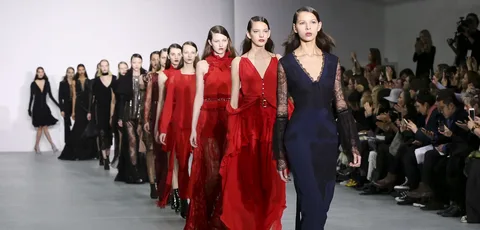
Behind the glamour, fashion week is a massive business operation. Buyers from around the world attend to place orders for stores. Media outlets cover the shows to influence consumer demand.
Designers also use fashion week to attract investors, sponsors, and partnerships. A successful runway show can lead to global exposure and increased sales.
Fashion week is also when many fashion brands decide their marketing strategies for the upcoming season. What is shown on the runway guides advertising campaigns, product launches, and retail displays.
Digital and Sustainable Fashion Week
In recent years, fashion week has evolved. Digital platforms now play a major role in how collections are presented and shared.
Digital Fashion Shows
Many designers now livestream their fashion week presentations. This allows fans, buyers, and journalists from around the world to watch in real time. It has made fashion more accessible than ever before.
Sustainability in Fashion Week
Sustainability is now a major focus of fashion week. Designers are using recycled fabrics, ethical production methods, and eco-friendly materials to reduce environmental impact.
This shift shows that fashion week is not just about trends, but also about responsibility and innovation.
Why Fashion Week Still Matters
Despite the rise of social media and online shopping, fashion week remains the foundation of the fashion industry. It is where creativity meets commerce and where future trends are first revealed.
Fashion week connects designers, buyers, journalists, and consumers in one powerful global conversation. It shapes what we wear, how we shop, and how fashion reflects our culture.
No matter how the industry evolves, fashion week continues to be the moment when style looks forward.
Conclusion
Fashion week is more than a series of runway shows—it is the engine that drives the global fashion industry. From New York to Paris, designers use fashion week to introduce new ideas, set trends, and inspire the world.
By understanding global schedules, influential designers, and evolving runway trends, you gain insight into how fashion moves from imagination to everyday life. As fashion week continues to grow, its influence on style, culture, and creativity remains stronger than ever.
