


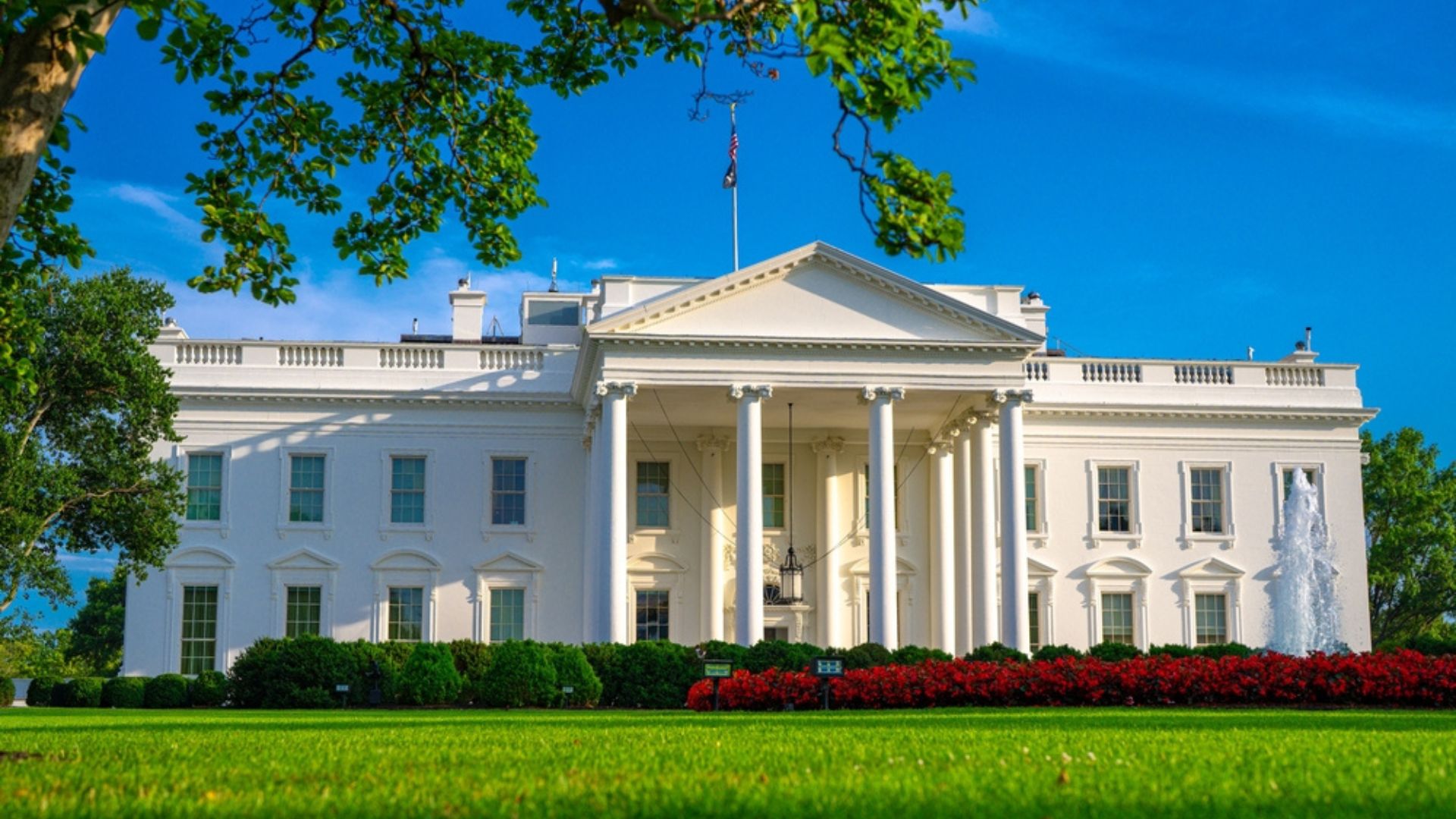
The White House stands as one of the most recognized buildings in the world. Located in Washington, D.C., it serves as both the official residence and workplace of the president of the United States. Beyond politics, the building represents history, leadership, national identity, and the growth of American democracy. Millions of people around the world recognize its iconic white exterior, large columns, and carefully maintained grounds.
For more than two centuries, the White House has witnessed important decisions, international meetings, historical moments, and national celebrations. Every president since John Adams has lived there, and each administration has left a unique mark on the property. The building is not simply a residence; it is a working center of government that operates every day with a large staff, advanced security systems, and historical preservation teams.
The White House continues to evolve while preserving its historical character. Renovations, technological upgrades, and modern additions have helped maintain the structure as both a functional office and an important national landmark. Its influence extends far beyond American borders because it is often viewed as a symbol of leadership and political power across the globe.
The Early History Behind the White House
The origins of the White House date back to the late eighteenth century when the newly formed United States needed a permanent capital and an official residence for the president. President George Washington selected the site for the federal city, although he never lived in the completed building. A design competition was held, and Irish-born architect James Hoban won with a neoclassical plan inspired by European architecture.
Construction officially began in 1792. Workers included European immigrants, skilled laborers, and enslaved African Americans who contributed to the building process. The sandstone exterior was covered with white paint and lime-based materials, which later inspired the famous name. After years of construction, the building became ready for occupancy in 1800, and President John Adams became the first president to live there.
The White House faced one of its greatest challenges during the War of 1812 when British troops burned much of the structure in 1814. Large sections were destroyed, but the government decided to rebuild instead of relocating the capital. James Hoban returned to oversee reconstruction efforts, and the residence gradually regained its original appearance. This rebuilding period strengthened the symbolic importance of the White House because it demonstrated national resilience during a difficult historical period.
Construction and Architectural Design
The White House is widely admired for its elegant architectural style. The design combines balance, symmetry, and classical influences commonly associated with government buildings. Large columns, decorative porticoes, and carefully proportioned windows contribute to its formal appearance.
The building contains 132 rooms across six floors and covers approximately 55,000 square feet. Important sections include the Executive Residence, the West Wing, and the East Wing. The West Wing houses the Oval Office, where the president conducts official business and meets world leaders. The East Wing supports ceremonial functions and administrative operations.
Several presidents expanded or modified the building over time. Theodore Roosevelt ordered major renovations in the early twentieth century and formally popularized the name “White House.” Additional office space was added as government operations became more complex. Later administrations continued improving the structure with updated systems, modern communication technology, and enhanced facilities.
The White House combines historical preservation with modern functionality. While its exterior maintains a traditional appearance, the interior includes advanced communication networks, emergency systems, and secure workspaces that support the daily responsibilities of the presidency.
The Role of the White House in American Government
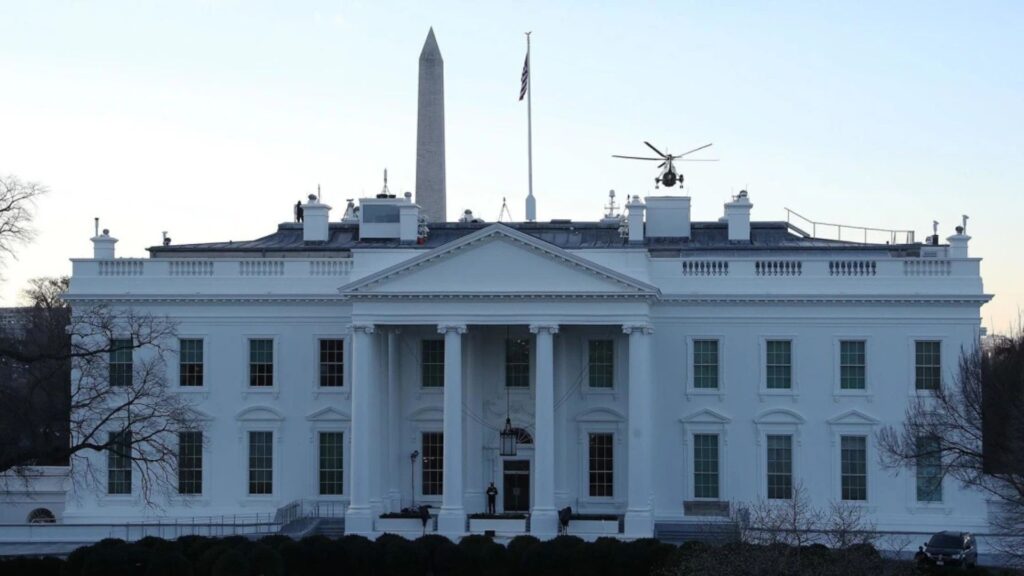
The White House functions as more than a home. It is a central location for executive leadership and government administration. The president works there daily alongside advisors, policy experts, military officials, and communication teams.
Major decisions involving national security, foreign policy, economic planning, and emergency response are often discussed within the White House complex. Press conferences, diplomatic meetings, and ceremonial events also take place there regularly. International leaders frequently visit the building for discussions that shape global relationships and political cooperation.
The White House staff includes hundreds of employees who manage administration, maintenance, food services, security, public communication, and event planning. Every part of the property operates according to strict schedules and security procedures to support government operations smoothly.
Because the building serves both personal and professional purposes, presidents and their families must balance private life with public responsibilities. This unique combination makes the White House different from nearly every other government building in the world.
Famous Rooms and Sections Inside the Building
Several areas inside the White House are famous because of their historical and political importance. The Oval Office is perhaps the most recognizable room. It serves as the president’s primary workspace and has been featured in countless photographs, speeches, and international broadcasts.
The East Room is the largest room in the residence and is often used for ceremonies, press events, and official gatherings. The State Dining Room hosts formal dinners for visiting leaders and important guests. The Blue Room, Red Room, and Green Room are also well-known for their decorative styles and historical furnishings.
The Rose Garden remains one of the most celebrated outdoor spaces on the property. Presidents often use it for public announcements, ceremonial events, and media appearances. Over time, the garden has become closely associated with presidential traditions and official ceremonies.
The White House also contains private family living quarters that remain inaccessible to the public. These residential spaces allow presidents and their families to maintain some level of privacy while living in one of the world’s most public residences.
Major Historical Events Connected to the White House
Throughout history, the White House has played a role in countless national and international events. Important wartime decisions, diplomatic negotiations, and legislative discussions have taken place within its walls.
The building survived wartime destruction, structural deterioration, and periods of major reconstruction. During the Truman administration, engineers discovered severe structural weaknesses inside the building. Large portions of the interior were removed and rebuilt while preserving the historic exterior. This reconstruction ensured the long-term safety and stability of the residence.
The White House has also hosted major historical agreements, including international treaties and meetings between world leaders. Public traditions such as the Easter Egg Roll continue to attract families and visitors each year, helping maintain the connection between the presidency and the American public.
Recent years have included discussions about modernization projects and new construction proposals connected to the White House complex. These debates often involve balancing historical preservation with evolving practical needs.
Renovations and Modern Improvements
As technology and security demands increased, the White House underwent continuous modernization. Electricity, plumbing, communication systems, internet access, and advanced security features were gradually added during different administrations.
Presidents have also personalized the property through renovations, decorative changes, and landscaping improvements. Some administrations focused on preserving historical features, while others emphasized modernization and expansion.
Recent construction proposals and renovation discussions have generated public interest because the White House represents both national heritage and modern government operations. Preservation experts often emphasize maintaining the historical identity of the property while allowing functional improvements that support current needs.
Security and Daily Operations
Security at the White House is among the most advanced in the world. The United States Secret Service protects the president, family members, staff, and visitors around the clock. Multiple layers of security systems monitor the property continuously.
The building operates almost like a small city. Chefs prepare meals, maintenance crews preserve historical features, communication teams coordinate press activity, and support staff manage daily logistics. Every detail must function efficiently because the White House remains active every hour of the day.
Emergency preparedness also plays a major role in operations. Secure communication networks and protective infrastructure ensure the continuity of government during national emergencies or security threats.
The White House as a Global Symbol
Over time, the White House has become a worldwide symbol of American leadership and democracy. News broadcasts frequently show the building when discussing political developments, presidential decisions, or international relations.
For many people outside the United States, the White House represents the American political system itself. Its image appears in textbooks, documentaries, newspapers, and historical archives around the world.
The building’s symbolic value extends beyond politics. It also reflects architectural history, national resilience, and the changing role of government throughout American history.
Public Tours and Visitor Experience
One unique aspect of the White House is its connection to the public. Unlike many official residences around the world, portions of the building are open for public tours under specific conditions. Visitors can view historical rooms, artwork, furnishings, and decorative displays while learning about presidential history.
Educational programs and official events also help preserve public interest in the building. Students, tourists, historians, and international visitors continue to study and admire the White House because of its cultural and political importance.
Modern Developments and Ongoing Changes
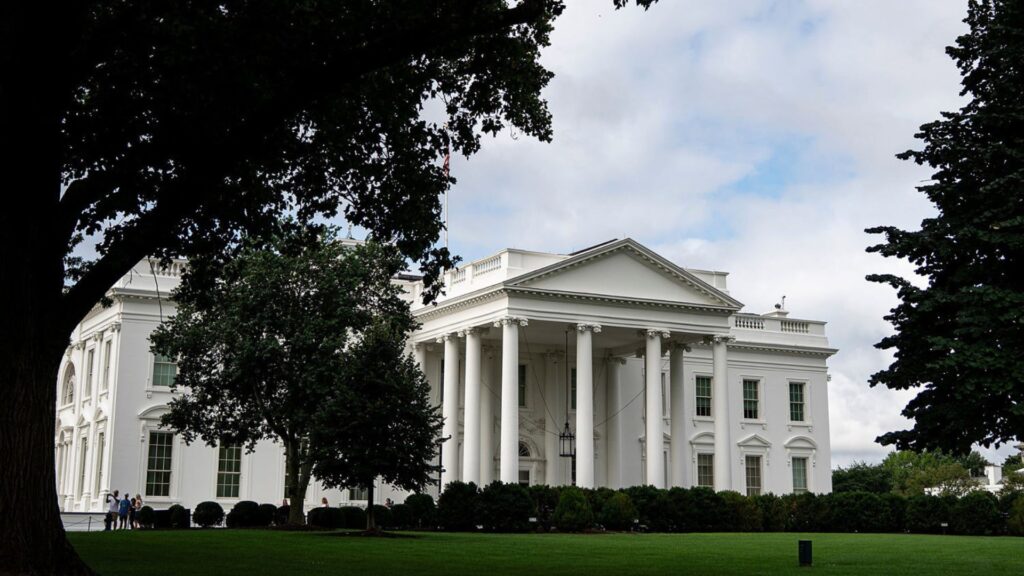
The White House continues to evolve in response to changing political, technological, and architectural needs. Discussions surrounding renovations, security improvements, and new facilities remain active topics in public conversation.
Recent proposals connected to the expansion of facilities and redesign projects have attracted both support and criticism from preservation groups, architects, and political observers. These conversations demonstrate how deeply the White House remains connected to national identity and public opinion.
Despite ongoing changes, the White House continues to preserve its historical image while adapting to modern government demands.
Conclusion
The White House remains one of the most important and recognizable buildings in the world. It represents political leadership, national history, and the continuing development of the United States government. From its early construction in the eighteenth century to modern renovation debates, the building has remained central to American public life.
Its halls have witnessed war, diplomacy, reform, celebration, and historical transformation. Every president has contributed to its evolving story while maintaining the traditions connected to the office. The White House continues to stand as both a working government center and a powerful symbol recognized across the globe.
FAQs
What is the White House?
The White House is the official residence and workplace of the president of the United States located in Washington, D.C.
When was the White House built?
Construction started in 1792, and the first president moved into the building in 1800.
Who designed the White House?
Irish-born architect James Hoban designed the White House after winning a national design competition.
How many rooms are inside the White House?
The White House contains 132 rooms, including offices, ceremonial halls, meeting spaces, and private living quarters.
Why is the White House important?
The White House serves as the center of executive leadership and represents American government, history, and democracy.
Can the public visit the White House?
Yes, public tours are available under approved arrangements and security guidelines.
What is the Oval Office?
The Oval Office is the president’s official workspace located in the West Wing of the White House.
Has the White House ever been rebuilt?
Yes, parts of the building were rebuilt after the British burned it in 1814, and major reconstruction occurred during the Truman administration.
