


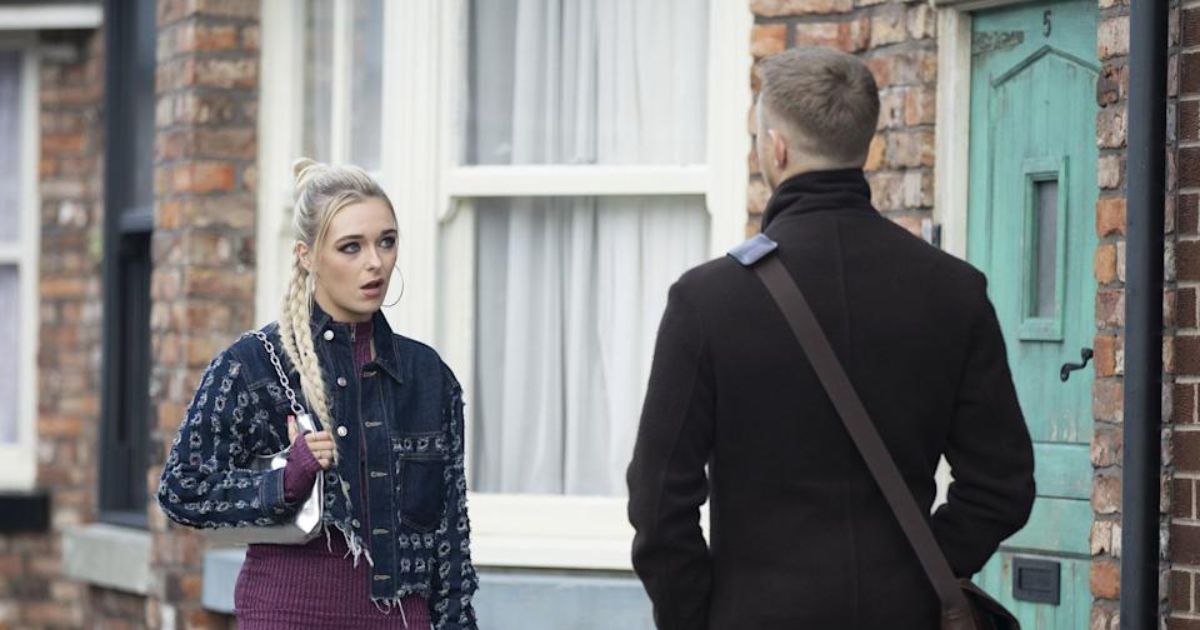
Lauren Bolton has become one of the most complex young characters in Coronation Street, representing more than just dramatic storytelling. Her journey reflects the struggles many vulnerable young people face when navigating identity, influence, and survival in challenging environments. Rather than viewing her story purely as controversy, this “green version” article focuses on youth development, social responsibility, emotional resilience, and the wider community impact of her experiences.
Lauren’s arc highlights how environment, family dynamics, and social pressures can shape a teenager’s worldview. At its core, her storyline is about growth — messy, imperfect, and deeply human growth.
Lauren’s Background A Young Person Shaped by Circumstance
When Lauren first appeared in Weatherfield, she carried the weight of her upbringing. As the daughter of Reece Bolton, she was exposed to harmful ideological beliefs during formative years. This background immediately placed her at a disadvantage. Children and teenagers often absorb the perspectives of authority figures in their lives, and Lauren was no exception.
Instead of portraying her as inherently malicious, the storyline carefully suggested she was shaped by influence rather than driven by cruelty. This distinction is important. It encourages viewers to consider how vulnerable youth can be drawn into damaging ideologies when they lack positive role models and community support.
Her introduction was not just dramatic; it was socially reflective. It sparked conversations about parental responsibility, youth manipulation, and the power of early intervention.
The Radicalization Plot A Cautionary Narrative

One of Lauren’s earliest major storylines involved the radicalization of teenagers within the community. This arc demonstrated how extremist networks target young individuals online and offline. Lauren’s involvement was layered — she was both influenced and, at times, indirectly involved in influencing others.
From a youth-awareness perspective, this storyline functioned as a cautionary tale. It emphasized how quickly misinformation and ideological manipulation can take root in impressionable minds. It also underscored the importance of education, critical thinking, and digital literacy in preventing young people from falling into harmful networks.
The aftermath of this plot left Lauren isolated and facing social consequences. For many viewers, this marked the moment where she transitioned from being seen as part of a problem to being a young person in need of guidance and support.
Isolation and Financial Struggles The Reality of Vulnerability
Following the collapse of her father’s influence and legal troubles surrounding extremist activities, Lauren was left to stand on her own. Without a stable support system, she experienced financial insecurity and emotional loneliness.
This phase of her storyline highlighted the reality that young people without strong family foundations are at higher risk of exploitation and risky decision-making. Financial hardship can lead to desperation, and desperation can result in choices that are difficult to defend but understandable in context.
Rather than glamorizing these struggles, the narrative showed the emotional toll of living without safety nets. Lauren’s experiences became a reflection of broader social issues: youth homelessness risk, economic vulnerability, and the need for accessible community resources.
Identity Accountability and Growth
A significant theme in Lauren’s journey is identity. Who is she beyond her father’s beliefs? Who does she want to become? These questions sit at the heart of her development.
Growth in soap storytelling is rarely linear. Lauren makes mistakes — sometimes repeatedly. But the key element in her arc is not perfection; it is the gradual recognition of consequences. Accountability is not presented as a single dramatic moment but as an ongoing process.
This portrayal mirrors real-life youth development. Teenagers and young adults often learn through trial, error, and reflection. Lauren’s story subtly communicates that transformation takes time, especially when someone begins from a place of instability.
Community Response Trust and Second Chances
In Weatherfield, reactions to Lauren have ranged from suspicion to sympathy. Some residents struggle to separate her from her father’s actions. Others attempt to offer support, albeit cautiously.
This dynamic illustrates a broader social truth: communities must decide how to respond to young individuals seeking redemption. Is past association enough to permanently define someone? Or should space be made for change?
Lauren’s presence forces these questions into the open. Her storyline encourages viewers to think about restorative approaches rather than purely punitive ones. Trust is fragile, especially when broken early, but the possibility of rebuilding remains a central theme.
The Performance Behind the Character
Lauren is portrayed by Cait Fitton, whose nuanced performance has contributed significantly to the character’s depth. Through subtle expressions and emotional delivery, Fitton conveys vulnerability beneath Lauren’s defensive exterior.
Acting choices matter in shaping audience perception. Without emotional authenticity, Lauren might have been dismissed as simply troublesome. Instead, the performance allows viewers to glimpse fear, confusion, and longing beneath her tougher moments.
This layered portrayal helps sustain empathy even when the character’s decisions are controversial.
Why Lauren’s Story Matters Today
In modern storytelling, especially within long-running series like Coronation Street, there is increasing focus on socially relevant narratives. Lauren’s journey aligns with that shift.
Her story touches on:
- Youth radicalization awareness
- The impact of toxic parental influence
- Financial vulnerability among teenagers
- Emotional trauma and resilience
- The importance of community intervention
These are not abstract issues. They mirror challenges faced in real communities. By embedding them within a fictional setting, the show creates a space for reflection and discussion.
Lauren’s arc serves as a reminder that young people often act from a place of survival rather than malice. Understanding that difference can change how society responds.
The Road Ahead
Lauren’s future remains uncertain, which keeps her storyline compelling. Will she fully escape the shadow of her past? Can she build a stable identity separate from early influences? The answers are still unfolding.
However, one thing is clear: her journey is no longer solely about controversy. It has become about resilience, rebuilding, and the possibility of change. Whether she ultimately finds stability or faces further setbacks, her narrative has already contributed meaningfully to the show’s exploration of youth development.
Conclusion
Lauren Bolton’s character in Coronation Street represents more than dramatic tension. She embodies the complicated path of a young person shaped by harmful influence yet capable of growth.
Through themes of accountability, vulnerability, and social awareness, her storyline encourages empathy rather than simple judgment. It highlights the importance of community support systems and responsible guidance for young people navigating difficult circumstances.
In this “green version” perspective, Lauren’s arc is ultimately about understanding — understanding how environment shapes behavior, how hardship influences decisions, and how change is possible when support replaces condemnation.
FAQs
Who is Lauren in Coronation Street?
Lauren Bolton is a fictional character introduced in 2022 in Coronation Street. She is portrayed by Cait Fitton and is known for her socially relevant storylines.
What was Lauren’s initial storyline?
Her early storyline involved exposure to extremist ideology through her father, highlighting youth vulnerability to radicalization.
What themes does Lauren’s character explore?
Her character explores identity, accountability, financial hardship, resilience, and the impact of parental influence.
Why is Lauren considered important to the show?
She brings contemporary social issues into focus and represents the struggles of young people facing instability and isolation.
Is Lauren’s story complete?
No, her journey continues to evolve, leaving room for further development and potential redemption.
