



Crypto has transformed the way people think about money, investing, and digital ownership. What began as an experimental form of digital cash has grown into a global financial ecosystem worth trillions of dollars. Today, crypto powers everything from online payments and decentralized finance to digital art and global remittances.
Whether you are new to the space or already exploring blockchain technology, understanding how crypto works, how prices move, and where trends are heading is essential. This comprehensive guide will help you navigate the world of digital currencies with confidence and clarity.
What Is Crypto?
Crypto, short for cryptocurrency, is a form of digital money that operates without a central authority like a bank or government. Instead, transactions are verified using blockchain technology, which is a decentralized and transparent digital ledger.
Unlike traditional currencies, crypto is not printed or controlled by any single institution. This gives users more freedom, security, and global accessibility. Anyone with an internet connection can send or receive crypto, making it one of the most inclusive financial systems ever created.
The first and most famous cryptocurrency is Bitcoin, but thousands of other digital assets now exist. These include Ethereum, stablecoins, and many altcoins designed for different use cases such as payments, smart contracts, and decentralized finance.
How Crypto Prices Work
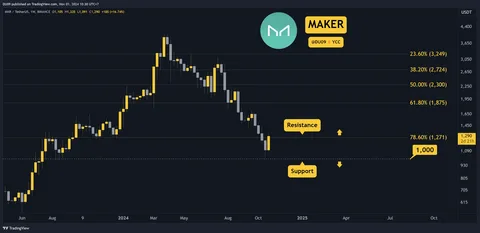
Crypto prices are driven by supply and demand. When more people want to buy a digital asset than sell it, the price rises. When more people want to sell, the price falls.
Several factors influence crypto prices:
- Market demand
- Investor sentiment
- News and regulations
- Technological upgrades
- Adoption by businesses and institutions
Because crypto trades 24/7 on global exchanges, prices can change rapidly. This high volatility attracts traders and investors looking for opportunities, but it also means that values can swing dramatically.
Market capitalization, which measures the total value of a cryptocurrency, is another important metric. It helps investors compare the size and influence of different crypto assets.
Major Crypto Market Trends
The crypto market is constantly evolving. Understanding current trends helps investors and users make smarter decisions.
Decentralized Finance (DeFi)
DeFi platforms allow people to lend, borrow, and earn interest using crypto without traditional banks. This has opened up new financial opportunities worldwide.
Non-Fungible Tokens (NFTs)
NFTs use crypto technology to prove ownership of digital art, music, and collectibles. This trend has changed how creators sell and monetize their work.
Institutional Adoption
Large companies and investment funds are now investing in crypto. This has added credibility and stability to the market.
Regulation and Compliance
Governments around the world are creating clearer rules for crypto. This helps protect investors and encourages responsible growth.
These trends show that crypto is moving from a niche technology to a mainstream financial system.
Popular Cryptocurrencies
The crypto market includes thousands of assets, but a few dominate the space.
Bitcoin is the original cryptocurrency and is often called digital gold. It is widely used as a store of value.
Ethereum supports smart contracts, allowing developers to build applications on its blockchain.
Stablecoins are crypto assets tied to traditional currencies like the U.S. dollar. They provide stability in a volatile market.
Altcoins include many innovative projects designed for gaming, finance, supply chains, and more.
Each type of crypto serves a different purpose, giving users many ways to participate in the digital economy.
How to Start with Crypto
Getting started with crypto is easier than ever. Beginners usually follow a few simple steps.
First, choose a reputable crypto exchange. These platforms allow you to buy, sell, and trade digital assets.
Next, create an account and verify your identity. This keeps transactions secure and compliant with regulations.
Then, fund your account using a bank transfer or card and buy your first crypto asset.
Finally, store your crypto in a secure wallet. Some people keep funds on exchanges, while others prefer personal wallets for added control.
Starting small and learning as you go is the best way to build confidence in the crypto world.
Crypto Wallets and Security
A crypto wallet stores the private keys that allow you to access your digital assets. There are two main types.
Hot wallets are connected to the internet and are easy to use. They are ideal for frequent trading.
Cold wallets are offline and offer higher security. They are best for long-term storage.
Security is crucial in the crypto space. Always use strong passwords, enable two-factor authentication, and never share private keys.
Protecting your crypto ensures that your digital wealth remains safe from hacks and scams.
Risks and Rewards of Crypto
Crypto offers exciting opportunities, but it also comes with risks.
Rewards
- High potential returns
- Global accessibility
- Financial independence
- Innovation and technology
Risks
- Price volatility
- Regulatory changes
- Cybersecurity threats
- Market speculation
Understanding both sides helps investors make informed decisions and manage their expectations.
The Future of Crypto

The future of crypto looks promising. More businesses are accepting digital payments, and blockchain technology is being adopted across industries.
Crypto is also improving financial inclusion, allowing people in developing countries to access banking services without traditional infrastructure.
As technology advances and regulations become clearer, crypto is likely to become an even more important part of the global economy.
Conclusion
Crypto has changed the way the world views money, investment, and digital ownership. From its decentralized design to its fast-growing ecosystem, crypto offers new opportunities for individuals and businesses alike.
By understanding prices, market trends, and how to get started, you can confidently explore this innovative financial space. As adoption continues to grow, crypto is set to remain a powerful force in the digital age.
FAQs
1. What is crypto?
Crypto is digital currency that uses blockchain technology for secure transactions.
2. Is crypto safe?
When used properly with secure wallets and trusted platforms, crypto can be safe.
3. Can beginners invest in crypto?
Yes, beginners can start with small amounts and learn over time.
4. What affects crypto prices?
Demand, news, regulations, and technology all influence prices.
5. Is crypto legal?
Most countries allow crypto, but rules vary by location.
